MVP & RD Summit 2022
MVP & RD Summit 2022
Empowering small restaurants with digital solutions
Empowering small restaurants with digital solutions
Time
June - Dec 2020
June - Dec 2020
My role
Founding product designer
Founding product designer
Team
Founders
1 Product Manager
2 Developer
Marketing Interns
Founders
1 Product Manager
2 Developer
Marketing Interns
Keywords
0-1 product
Team of one
0-1 product
Team of one
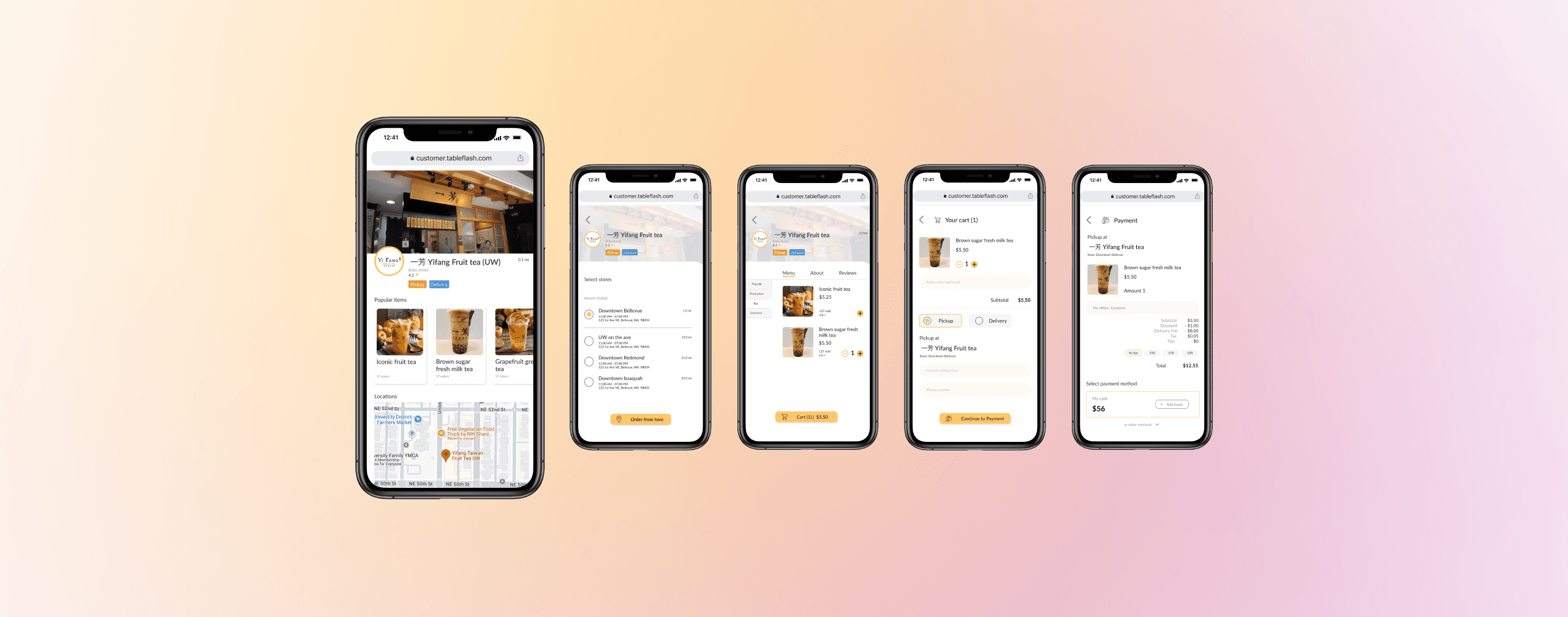
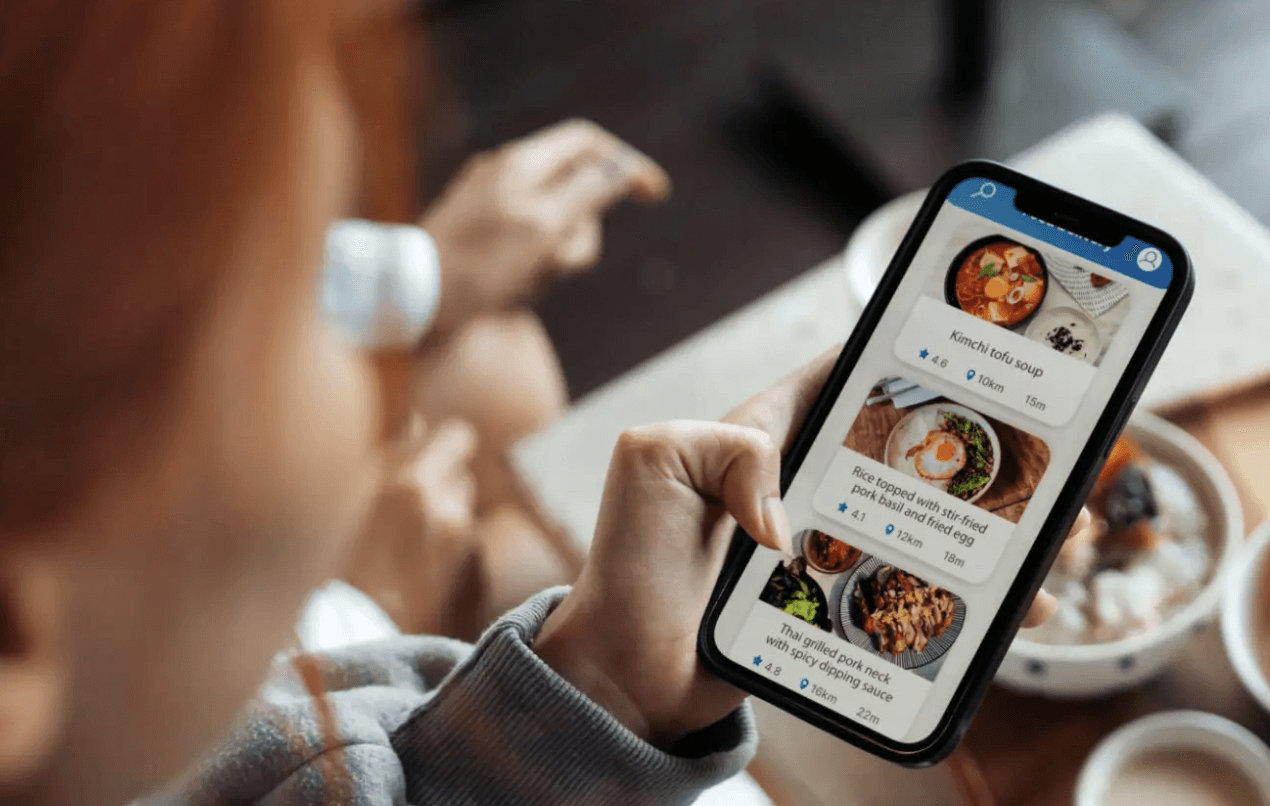
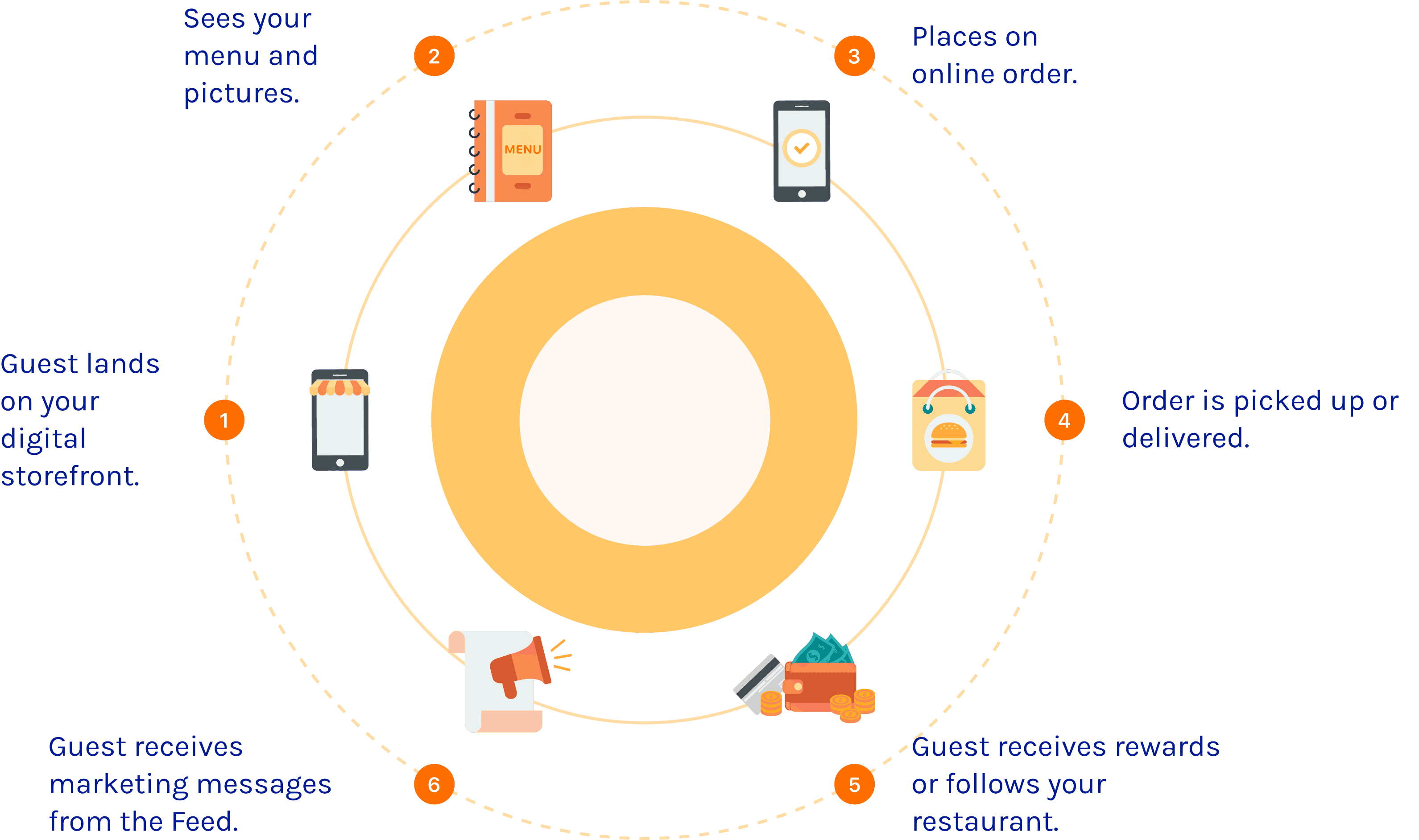
The 2020 pandemic forced many small restaurants to go digital or face closure. TableFlash responded with solutions like QR code ordering, delivery/pickup tools, and marketing features to support these businesses.
As the first designer at TableFlash, I worked closely with the founders to develop these features, helping restaurants increase orders and stay connected with their customers.
The 2020 pandemic forced many small restaurants to go digital or face closure. TableFlash responded with solutions like QR code ordering, delivery/pickup tools, and marketing features to support these businesses.
As the first designer at TableFlash, I worked closely with the founders to develop these features, helping restaurants increase orders and stay connected with their customers.
Updates- TableFlash closed its doors in 2024.
Background
Traditional restaurants struggled with digital presence and order management, leading to operational inefficiencies and missed business opportunities. During COVID-19, these challenges became more critical, requiring a solution that could handle multiple ordering channels while maintaining a strong customer connection.
Traditional restaurants struggled with digital presence and order management, leading to operational inefficiencies and missed business opportunities. During COVID-19, these challenges became more critical, requiring a solution that could handle multiple ordering channels while maintaining a strong customer connection.
Problem statement
Help small restaurants stay connected with their customers and grow through digital tools.
Help small restaurants stay connected with their customers and grow through digital tools.
Key pain points
01/
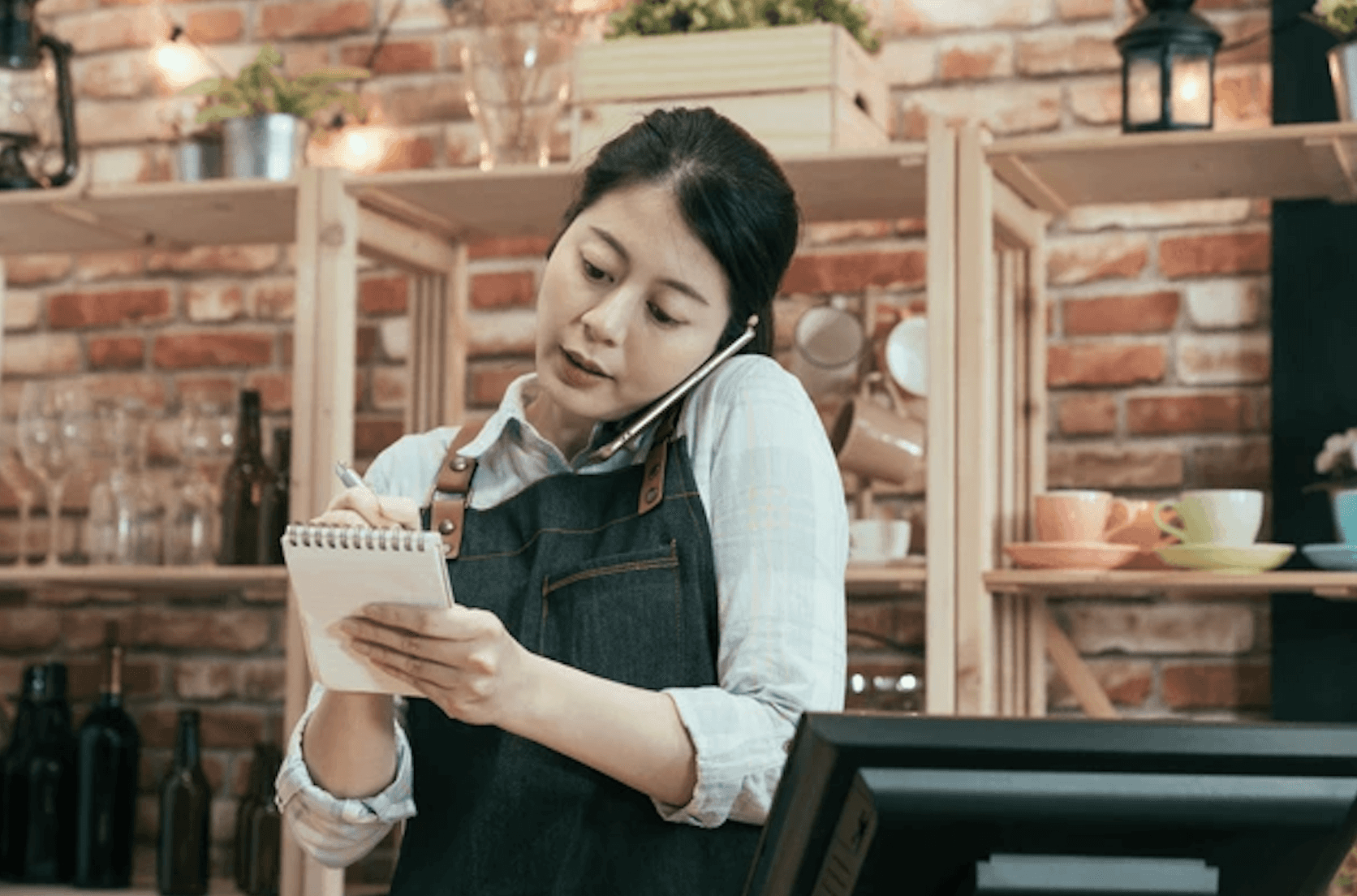
Restaurants could only handle one phone order at a time due to understaffing.
01/
Restaurants could only handle one phone order at a time due to understaffing.
02/
Restaurants were lack of digital presence limited customer reach and engagement.
02/
Restaurants were lack of digital presence limited customer reach and engagement.

03/
Users felt lost browsing because of option overload.
03/
Users felt lost browsing because of option overload.

04/
Users gave up on orders when the steps became confusing.
04/
Users gave up on orders when the steps became confusing.
Solutions
Impact
Kickoff
The "people" we designed for.
The "people" we designed for.
Process
Process
During our onboarding meeting, the leadership team and I had a candid discussion that really set the tone for the project.
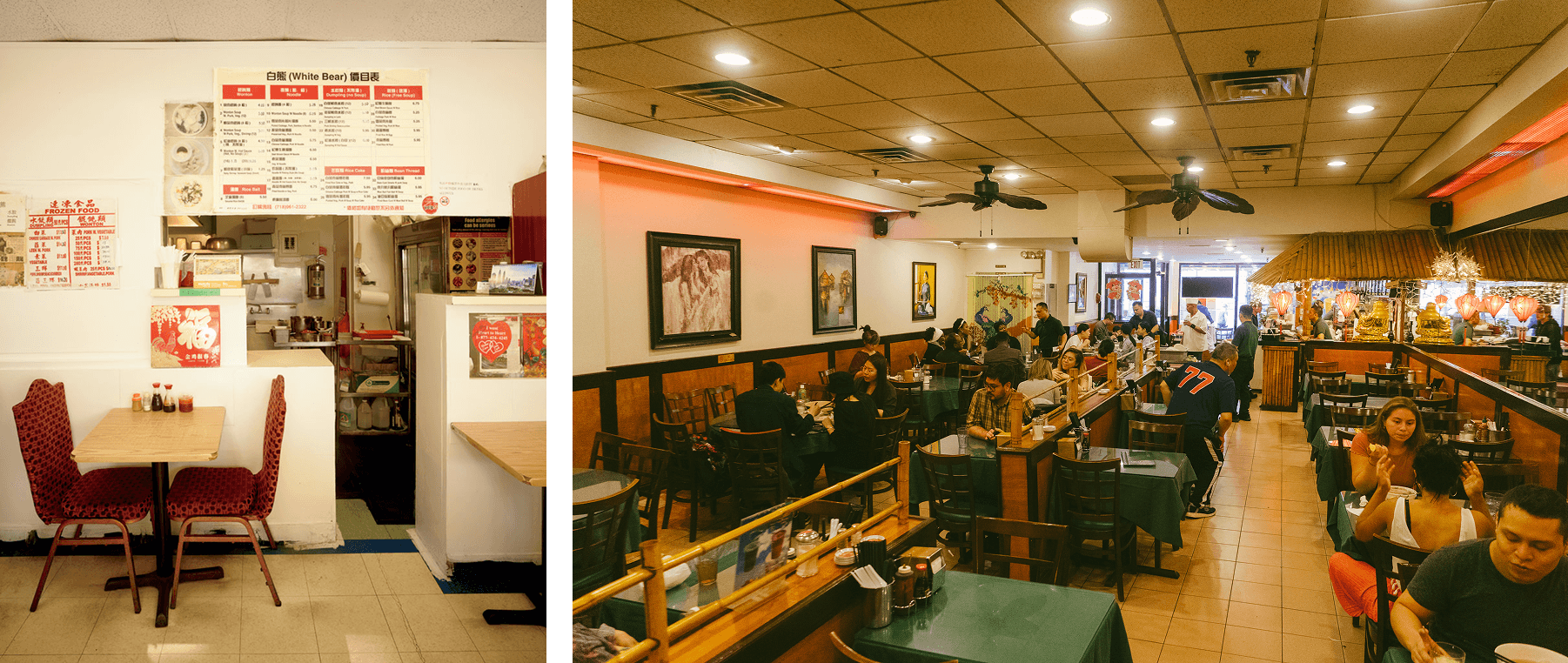
Many small Asian restaurants struggled to adapt in a digital-first world, especially as food delivery became the new norm. Then came the 2020 pandemic. Short-staffed and unable to serve dine-in customers.
TableFlash saw this as an opportunity to help change the situation and support these restaurants in continuing preserving the communities and keeping familiar food accessible.
During our onboarding meeting, the leadership team and I had a candid discussion that really set the tone for the project.
Many small Asian restaurants struggled to adapt in a digital-first world, especially as food delivery became the new norm. Then came the 2020 pandemic. Short-staffed and unable to serve dine-in customers.
TableFlash saw this as an opportunity to help change the situation and support these restaurants in continuing preserving the communities and keeping familiar food accessible.
During our onboarding meeting, the leadership team and I had a candid discussion that really set the tone for the project.
Many small Asian restaurants struggled to adapt in a digital-first world, especially as food delivery became the new norm. Then came the 2020 pandemic. Short-staffed and unable to serve dine-in customers.
TableFlash saw this as an opportunity to help change the situation and support these restaurants in continuing preserving the communities and keeping familiar food accessible.
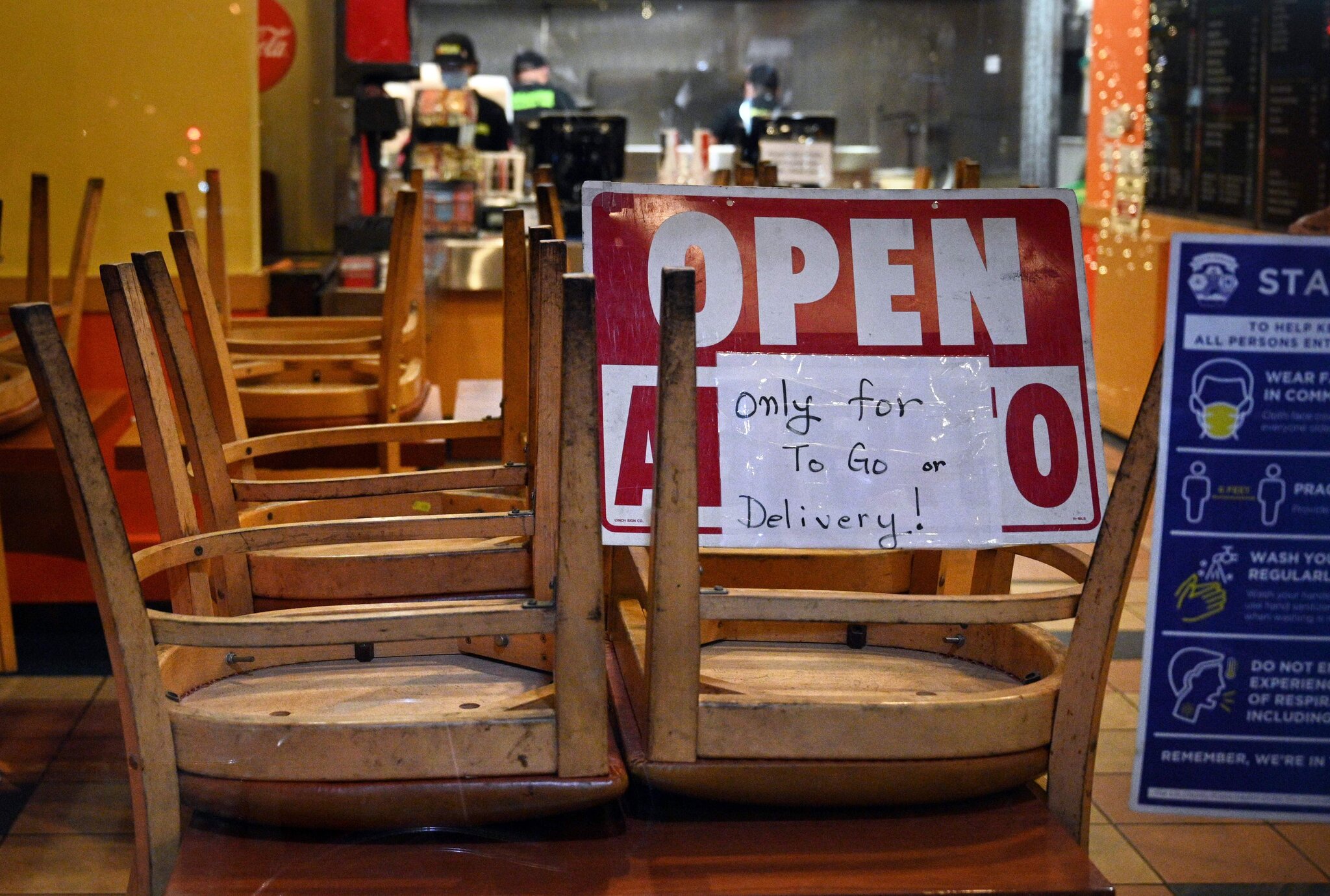
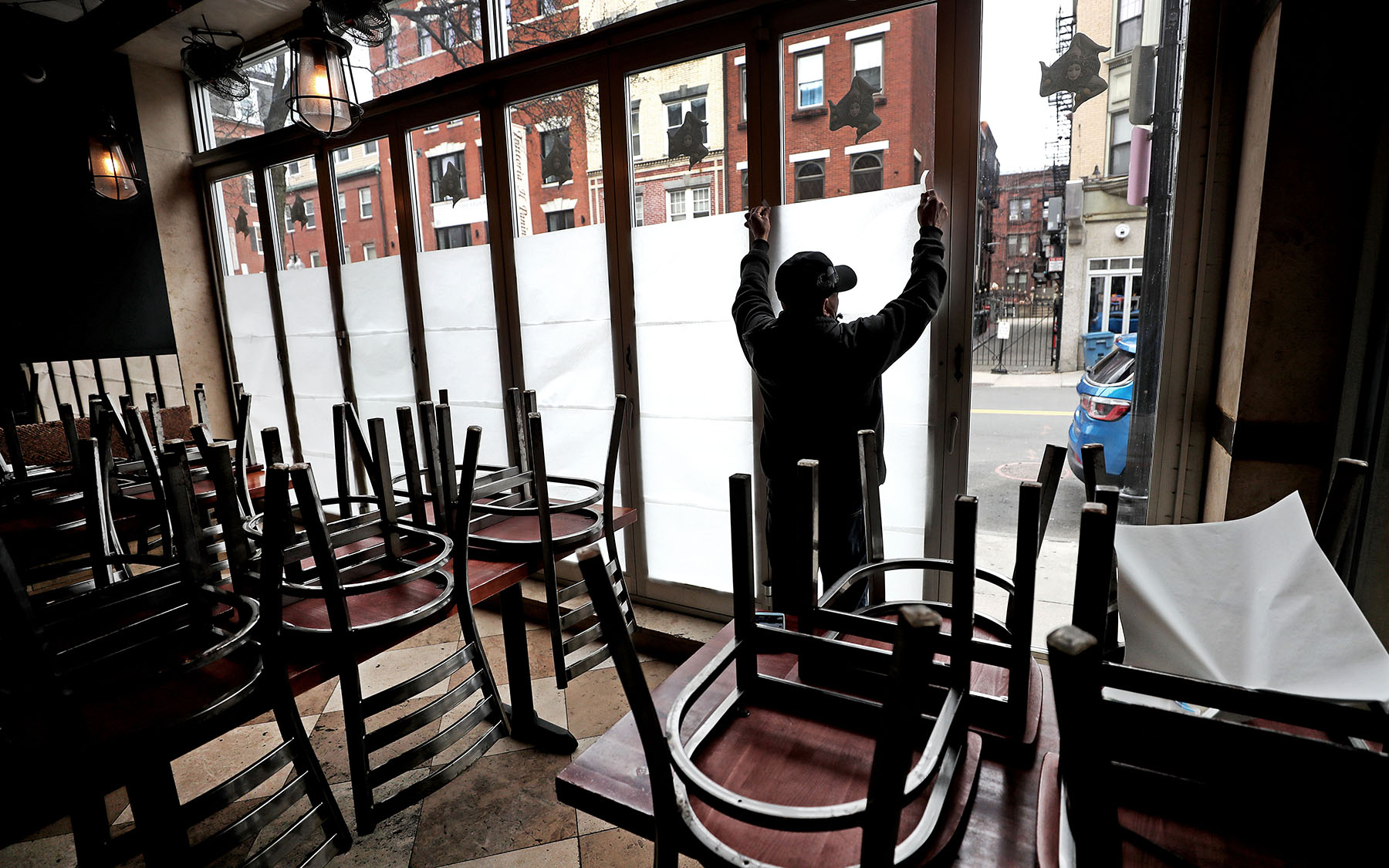
As the first designer at TableFlash, I was tasked with helping these businesses adapt—quickly and effectively. Founders' idea was a QR-code-powered “Order to Go” system that would allow diners to scan a code, place takeout orders, and pick them up without calling restaurants or interacting face to face.
But before jumping into design, we needed to deeply understand the people we were designing for.
As the first designer at TableFlash, I was tasked with helping these businesses adapt—quickly and effectively. Founders' idea was a QR-code-powered “Order to Go” system that would allow diners to scan a code, place takeout orders, and pick them up without calling restaurants or interacting face to face.
But before jumping into design, we needed to deeply understand the people we were designing for.
Click to jump sections —
Discover
Research that led the way!
Research that led the way!
To better understand the real challenges these restaurants faced, I joined the PM on visits to small, local restaurants. We observed and spoke with owners and staff to learn:
How they were currently handling takeout orders?
Where the stress points were?
What their ideal experience would look like—for them and for their customers?
To better understand the real challenges these restaurants faced, I joined the PM on visits to small, local restaurants. We observed and spoke with owners and staff to learn:
How they were currently handling takeout orders?
Where the stress points were?
What their ideal experience would look like—for them and for their customers?
We also told with a few customers to understand:
Their comfort level with digital tools?
Frustrations around waiting or calling in orders?
Expectations for a smooth order to pickup experience?
We also told with a few customers to understand:
Their comfort level with digital tools?
Frustrations around waiting or calling in orders?
Expectations for a smooth order to pickup experience?
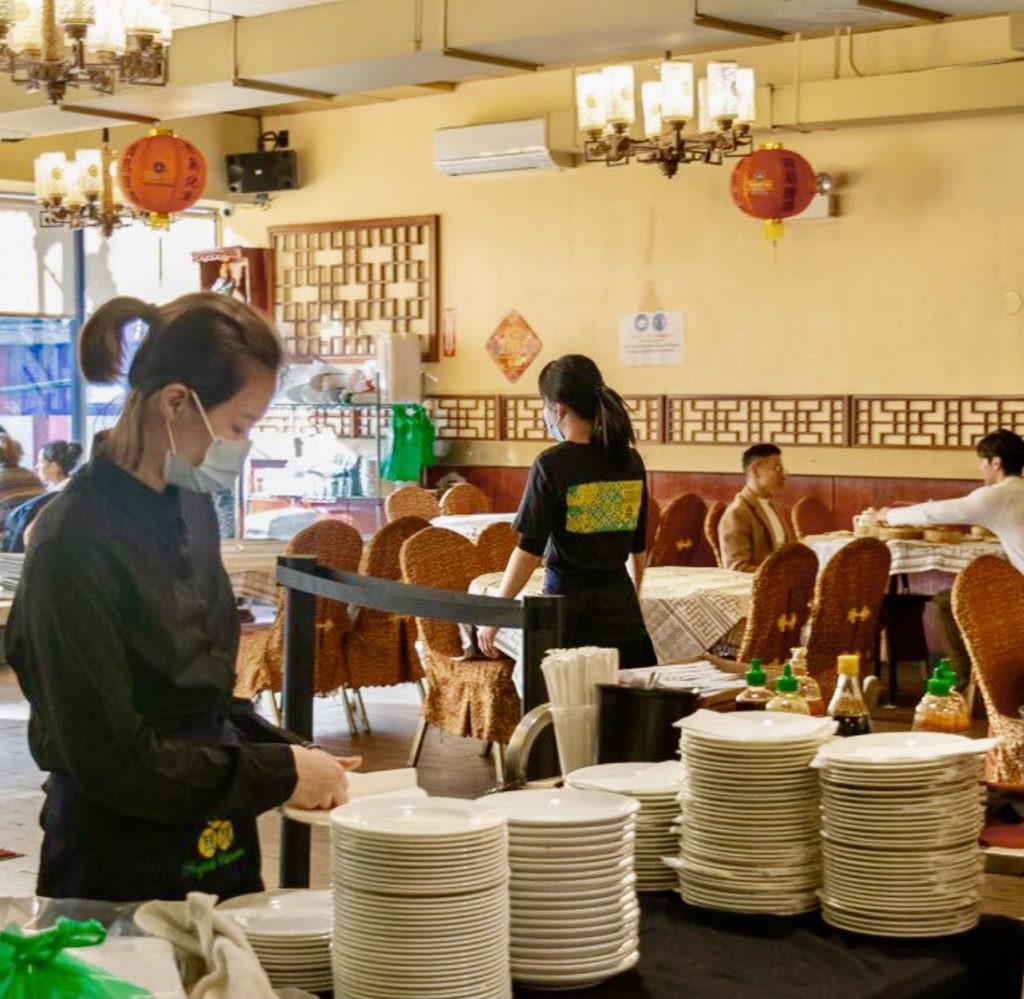
I knew solving this problem meant understanding both sides.
To dive deeper into the customer experience, I interviewed five frequent food delivery users. I focused on their habits, decision-making process, and pain points—from choosing where to order to navigating through the process. And here are the key insights I collected:
I knew solving this problem meant understanding both sides.
To dive deeper into the customer experience, I interviewed five frequent food delivery users. I focused on their habits, decision-making process, and pain points—from choosing where to order to navigating through the process. And here are the key insights I collected:

Options in the exploring process are overwhelming.
Options in the exploring process are overwhelming.

Special offers are a great way to attract attention.
Special offers are a great way to attract attention.
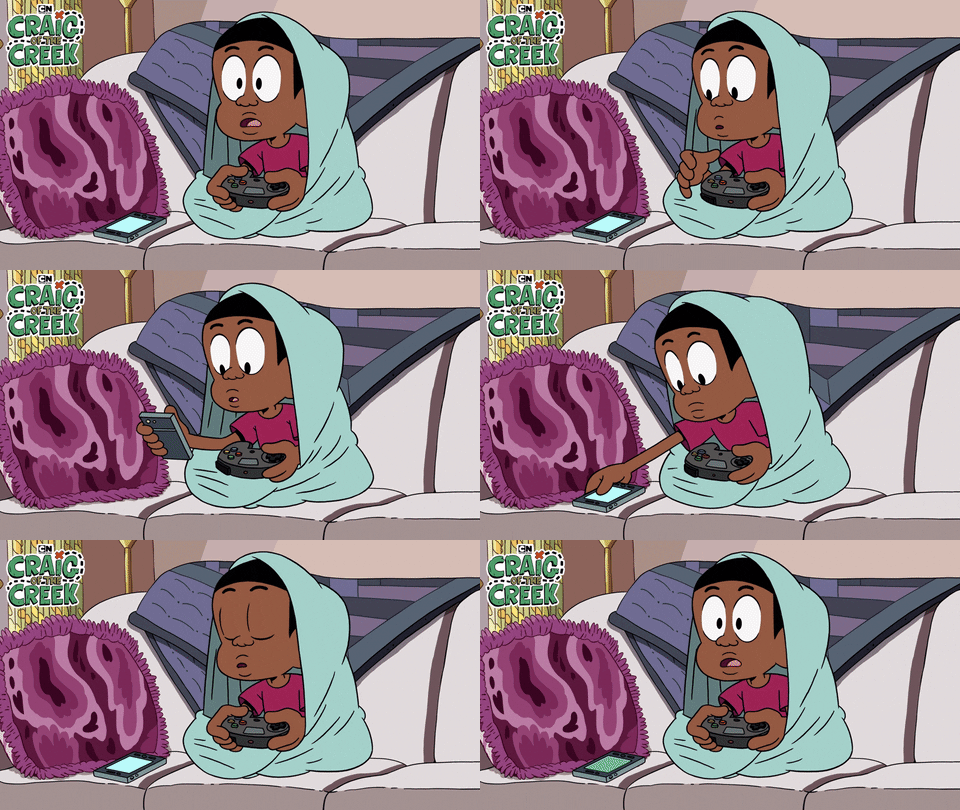
Users want simplicity and order tracking for pickup orders.
Users want simplicity and order tracking for pickup orders.
Click to jump sections —
Research
Mapping the path forward.
Mapping the path forward.
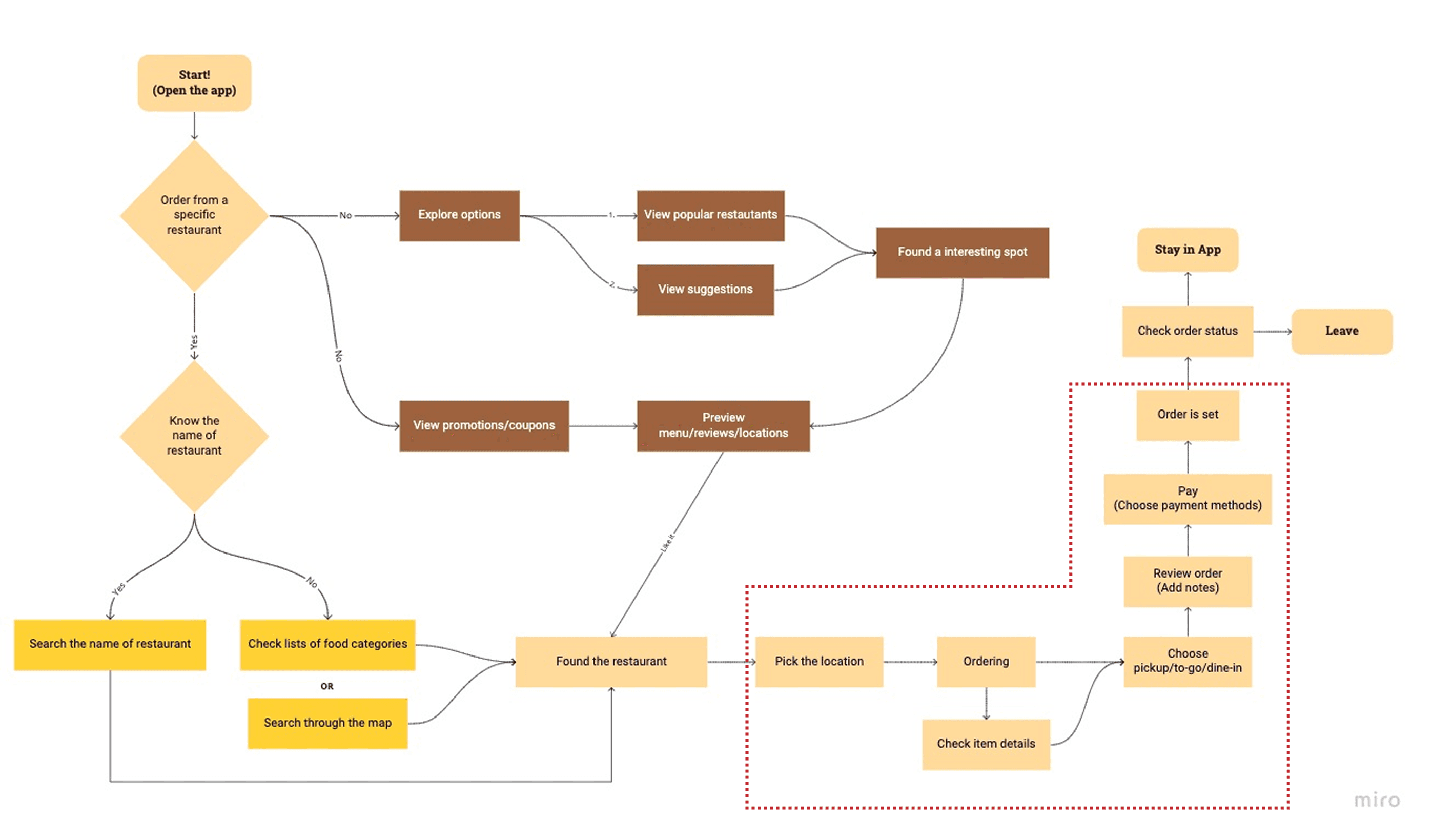
To better understand the customer side, I mapped out a mobile ordering flow based on insights from user interviews. This helped visualize how people choose what to eat, what they expect from the experience, and where friction shows up.
To better understand the customer side, I mapped out a mobile ordering flow based on insights from user interviews. This helped visualize how people choose what to eat, what they expect from the experience, and where friction shows up.
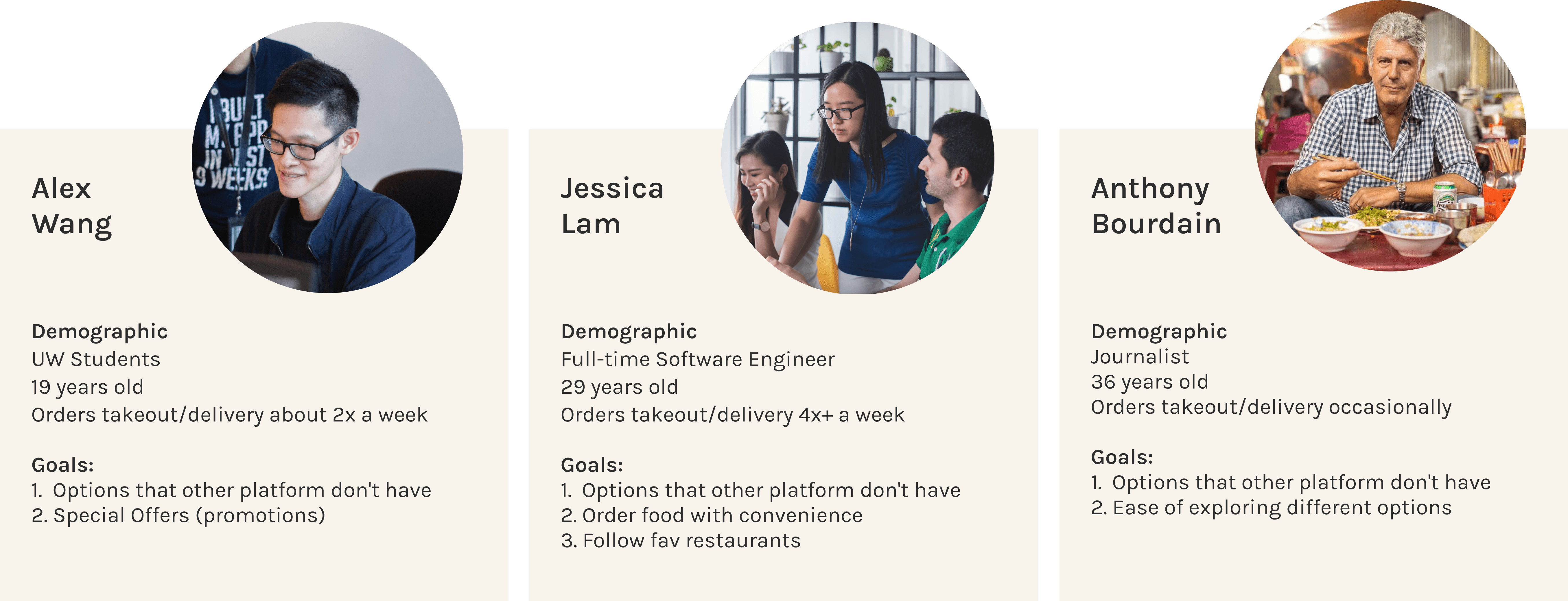
I also created a persona to capture common behaviors, needs, and frustrations, which helped the team stay aligned around real user goals throughout design discussions and decisions.
I also created a persona to capture common behaviors, needs, and frustrations, which helped the team stay aligned around real user goals throughout design discussions and decisions.
Click to jump sections —
Define
From insights to intentional action.
From insights to intentional action.
With all the user insights and flow analysis in hand, it was time to translate them into action. But this wasn’t just about users—it was also about business. TableFlash is a growing startup, and to succeed, we had to serve 3 sides: the customers who order, the restaurants who serve, and the business itself.
With all the user insights and flow analysis in hand, it was time to translate them into action. But this wasn’t just about users—it was also about business. TableFlash is a growing startup, and to succeed, we had to serve 3 sides: the customers who order, the restaurants who serve, and the business itself.
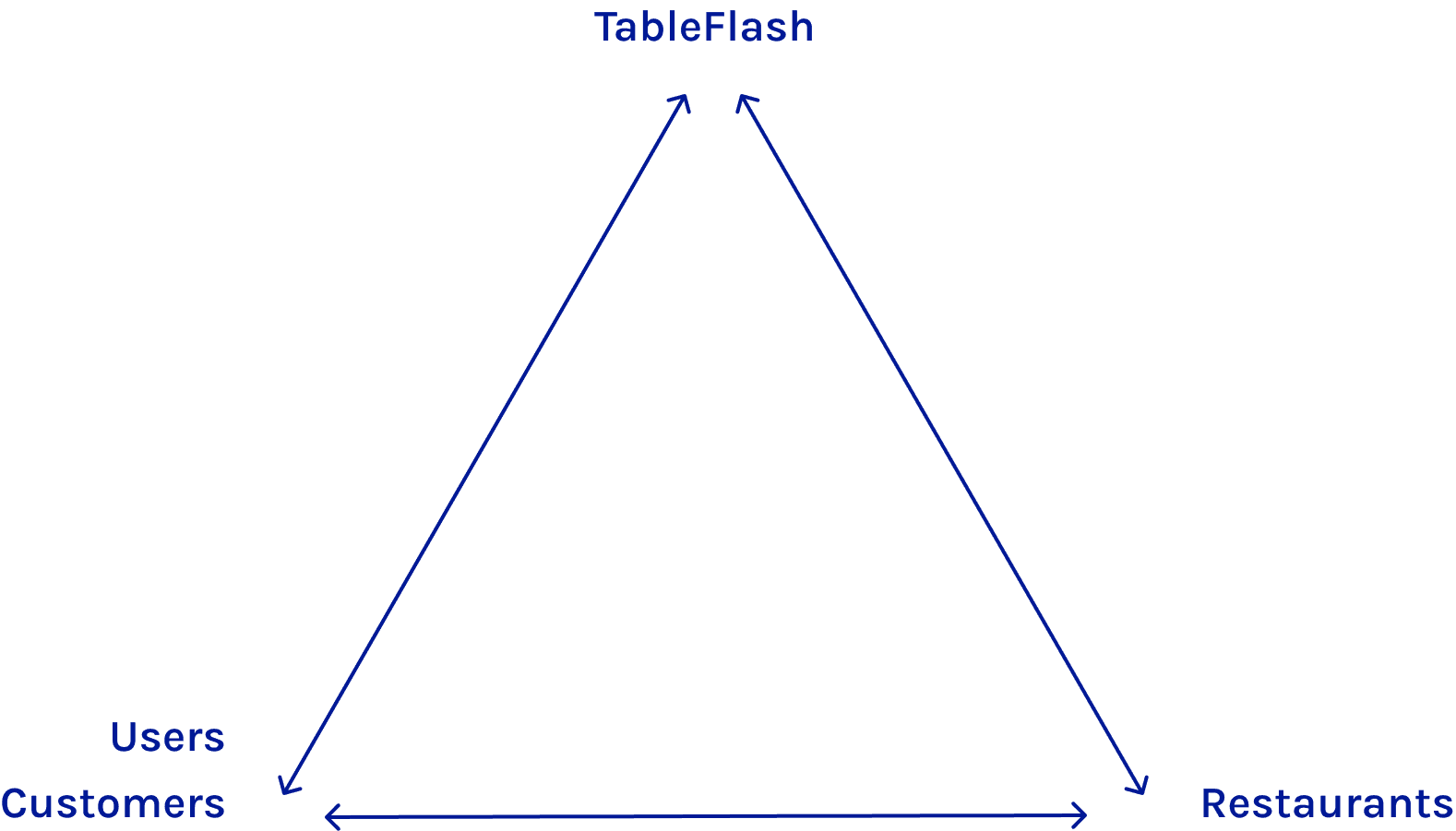
So I aligned what users needed with what the business needed to grow. That led me to four focused design goals:
So I aligned what users needed with what the business needed to grow. That led me to four focused design goals:
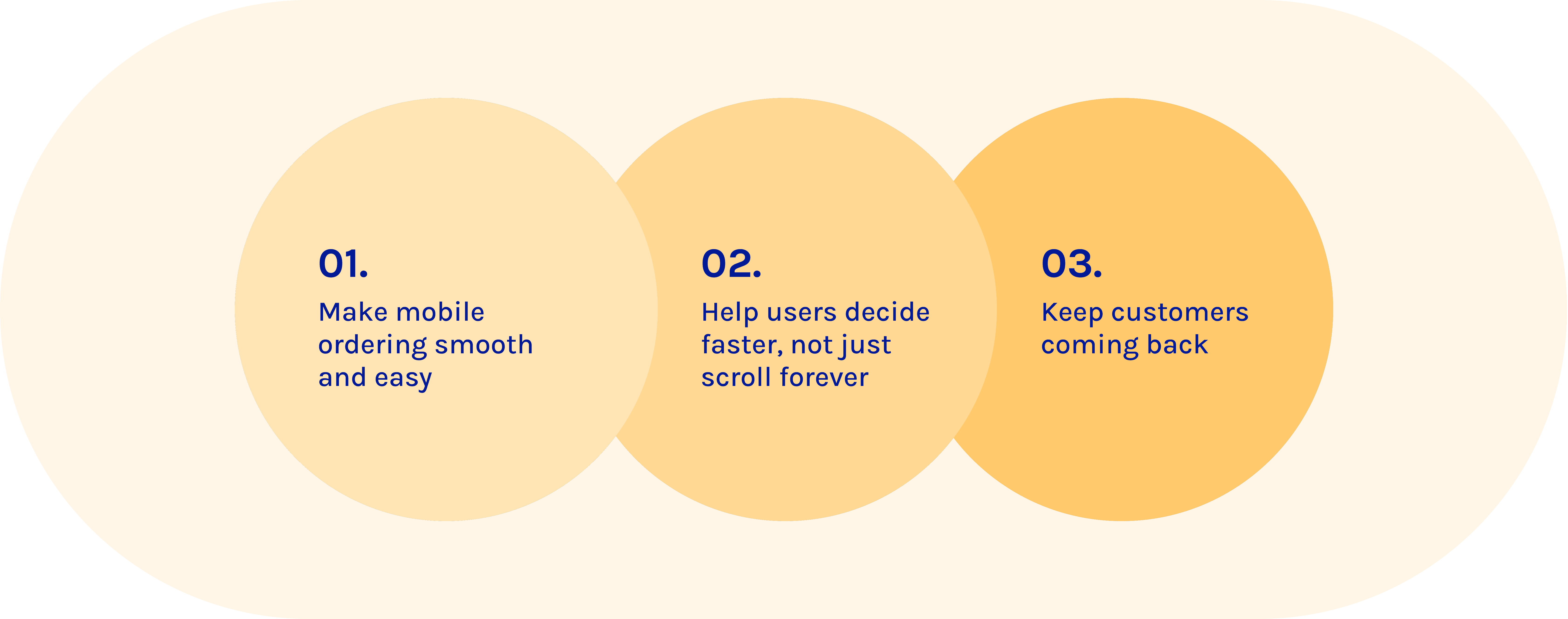
These goals became our north star as we kicked off our first product sprints—each one building toward a better experience and a stronger business.
These goals became our north star as we kicked off our first product sprints—each one building toward a better experience and a stronger business.
Click to jump sections —
Sprints
Building with purposes.
Building with purposes.
As an early-stage startup, we faced a classic chicken-and-egg problem: Restaurants wanted to see users before they signed up. Users needed working features to try the product.
To break the loop, we structured our work into three focused sprints—each one tackling the next most pressing challenge for growth and usability:
As an early-stage startup, we faced a classic chicken-and-egg problem: Restaurants wanted to see users before they signed up. Users needed working features to try the product.
To break the loop, we structured our work into three focused sprints—each one tackling the next most pressing challenge for growth and usability:
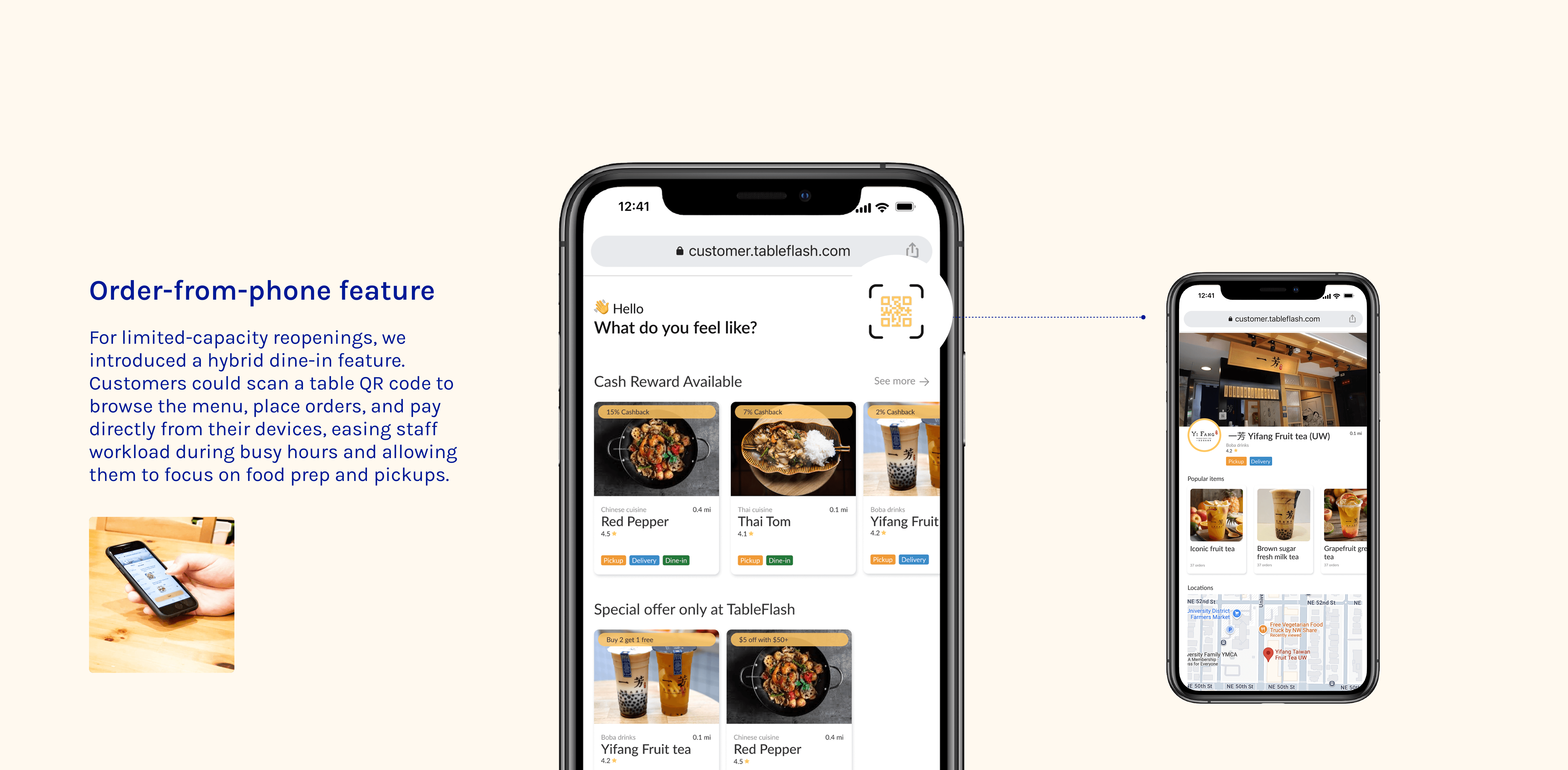
1st Sprint - Streamline Operations
Build the essential product to prove value and get users on board. Restaurants needed proof of user traction. We needed to lower the barrier for customers to start using TableFlash immediately.
Build the essential product to prove value and get users on board. Restaurants needed proof of user traction. We needed to lower the barrier for customers to start using TableFlash immediately.
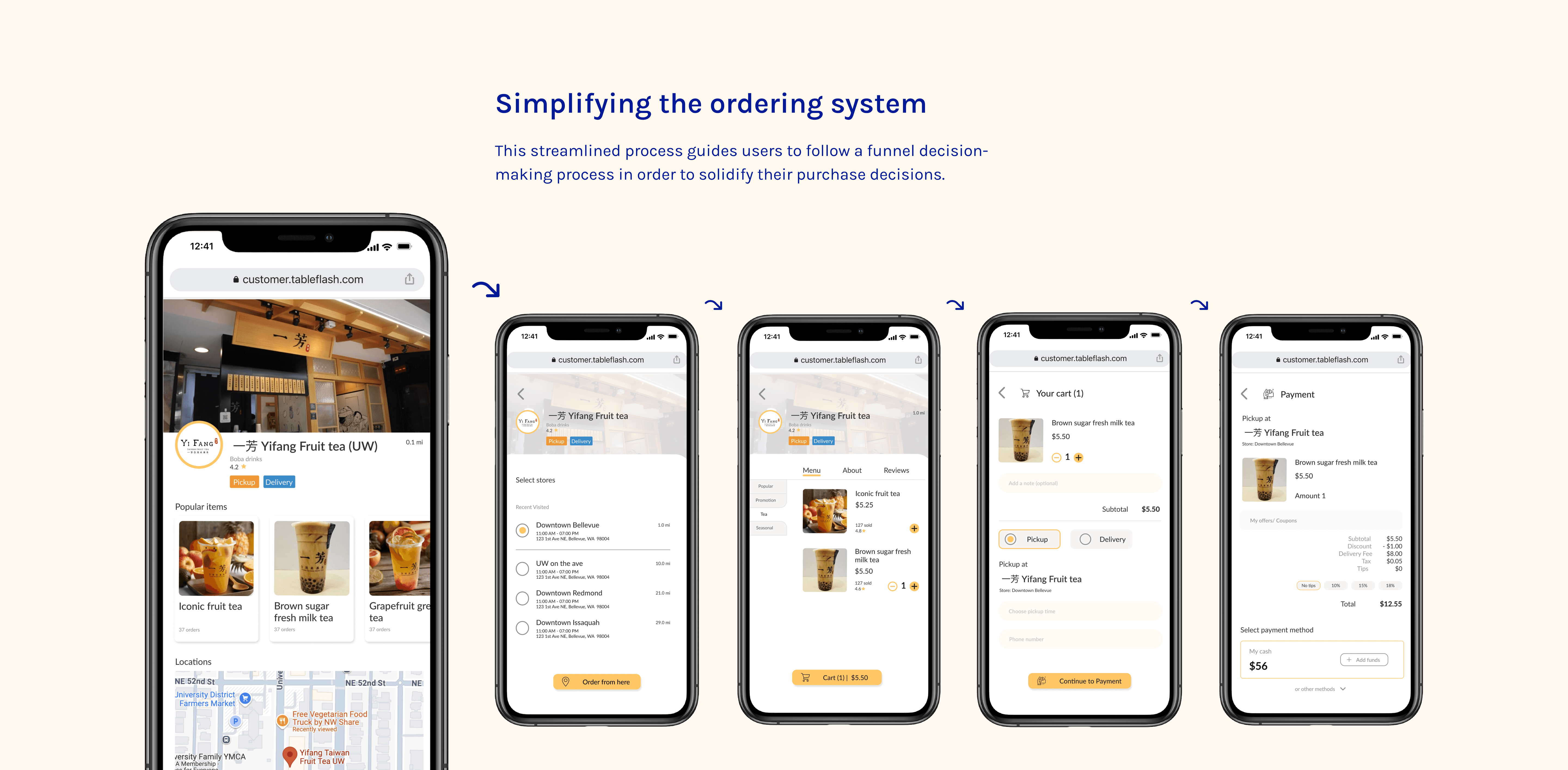
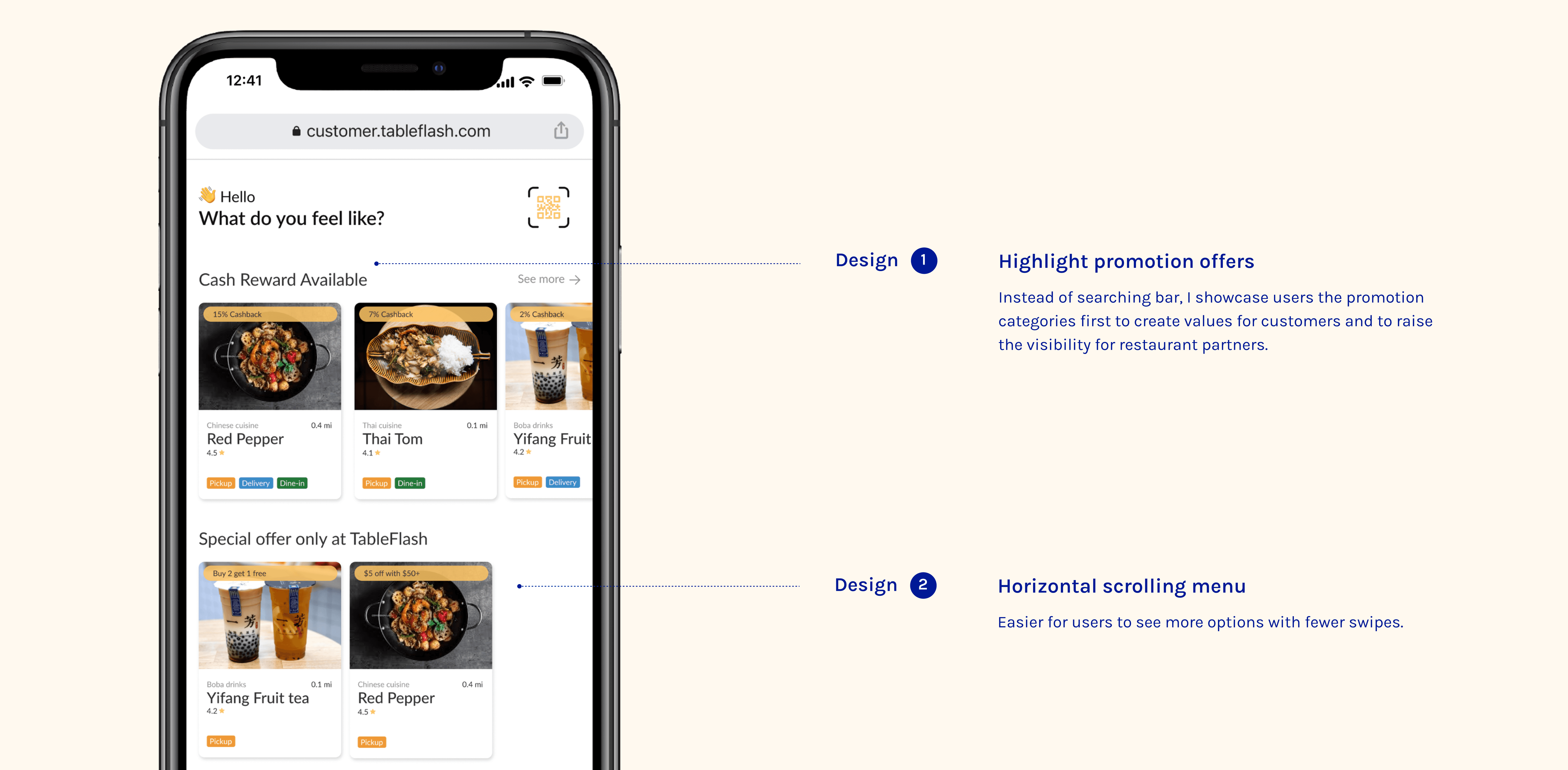
2nd Sprint - Reimagine App Experience
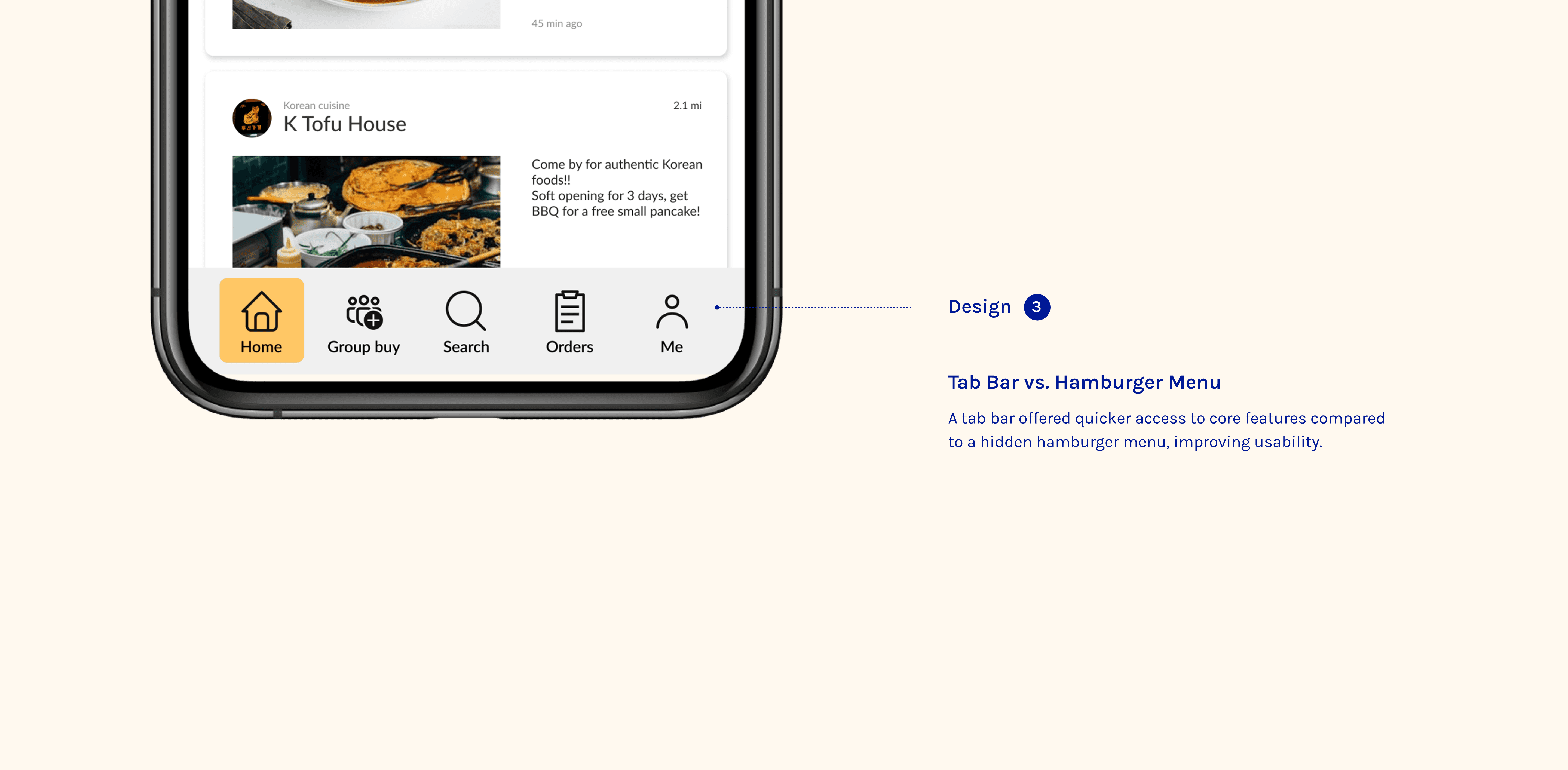
Make the experience feel natural and efficient, as our research showed users were dropping off due to too many choices and unclear flows.
Make the experience feel natural and efficient, as our research showed users were dropping off due to too many choices and unclear flows.
3rd Sprint - Drive Orders & Build Loyalty
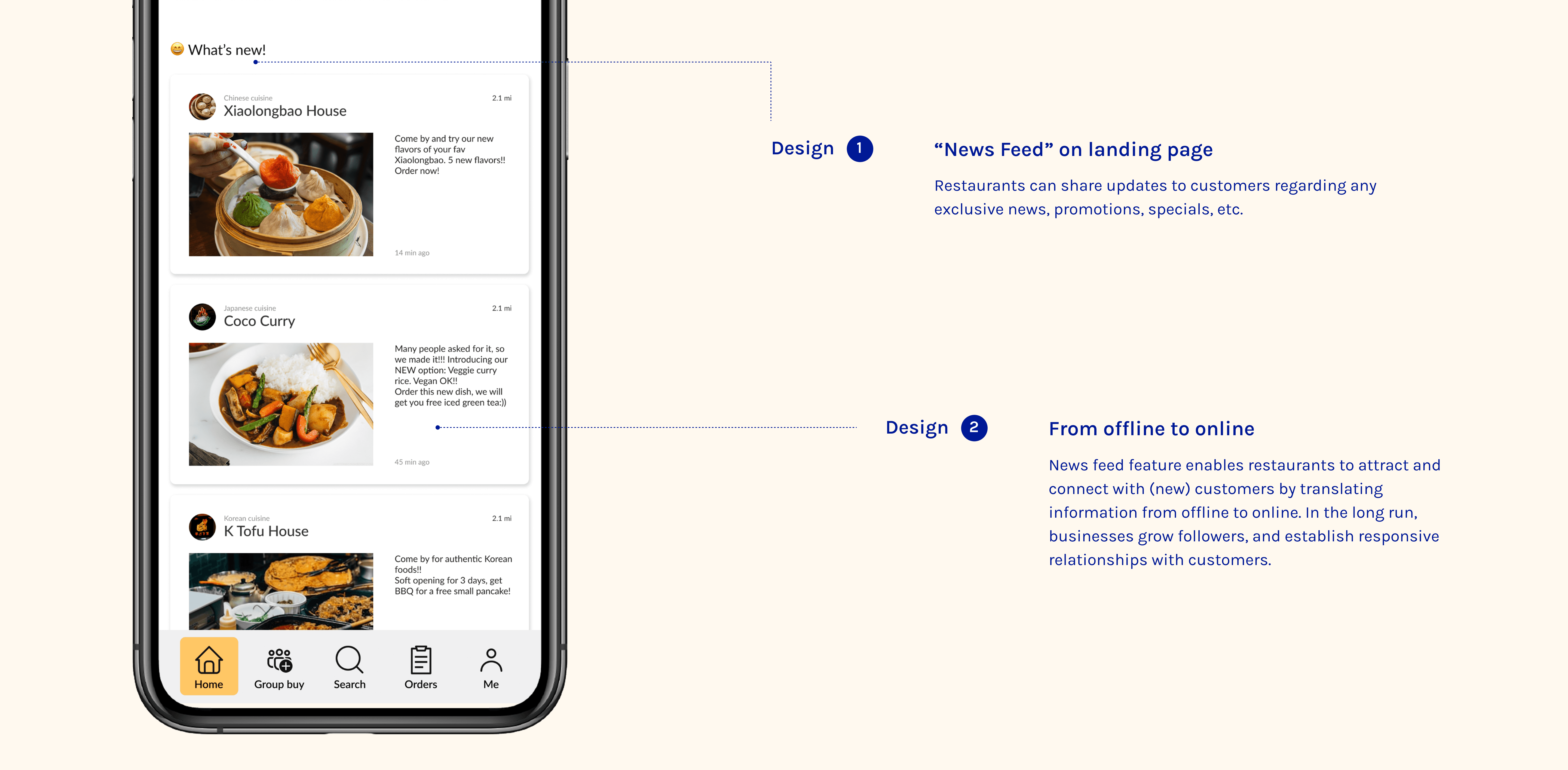
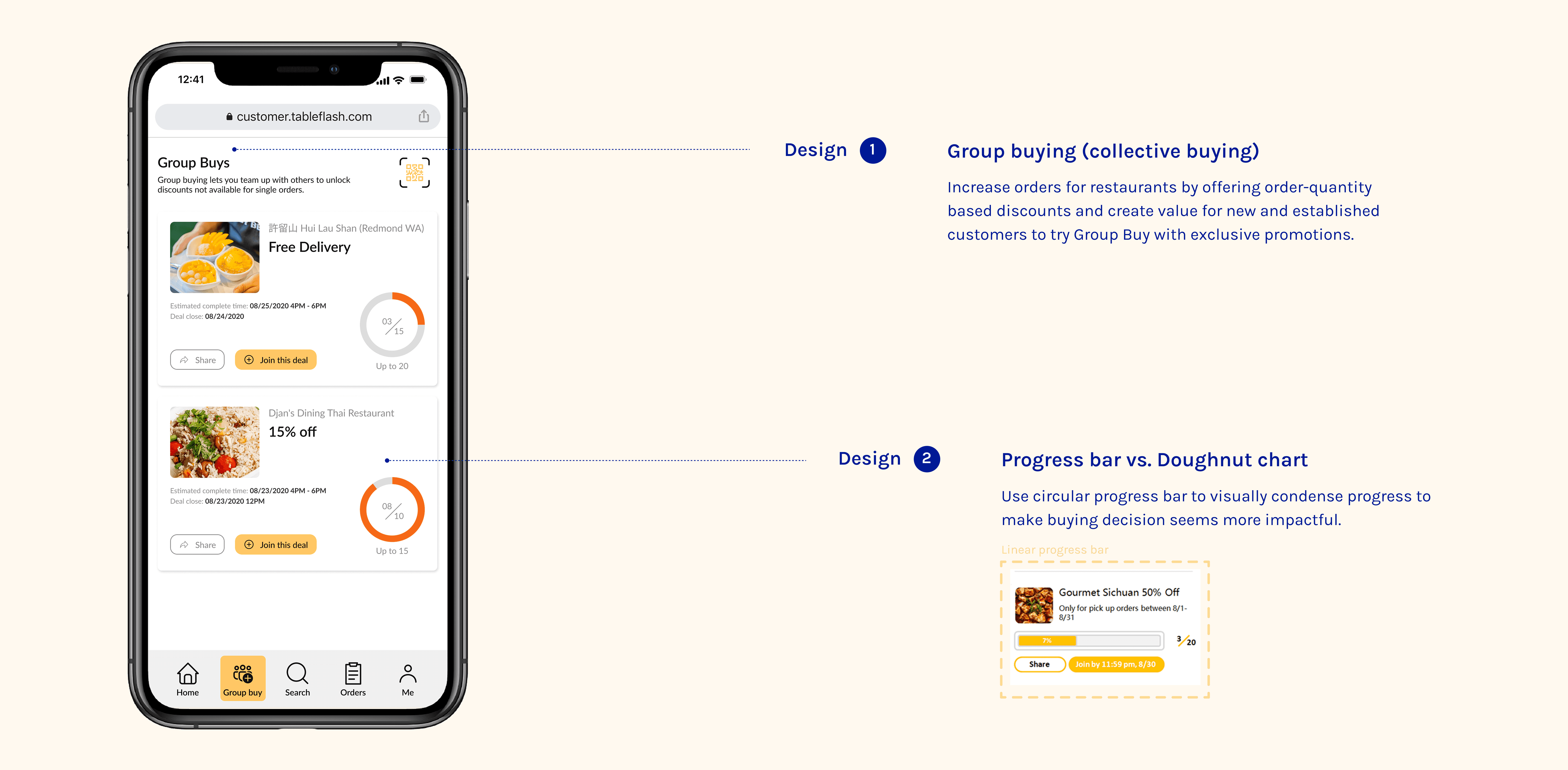
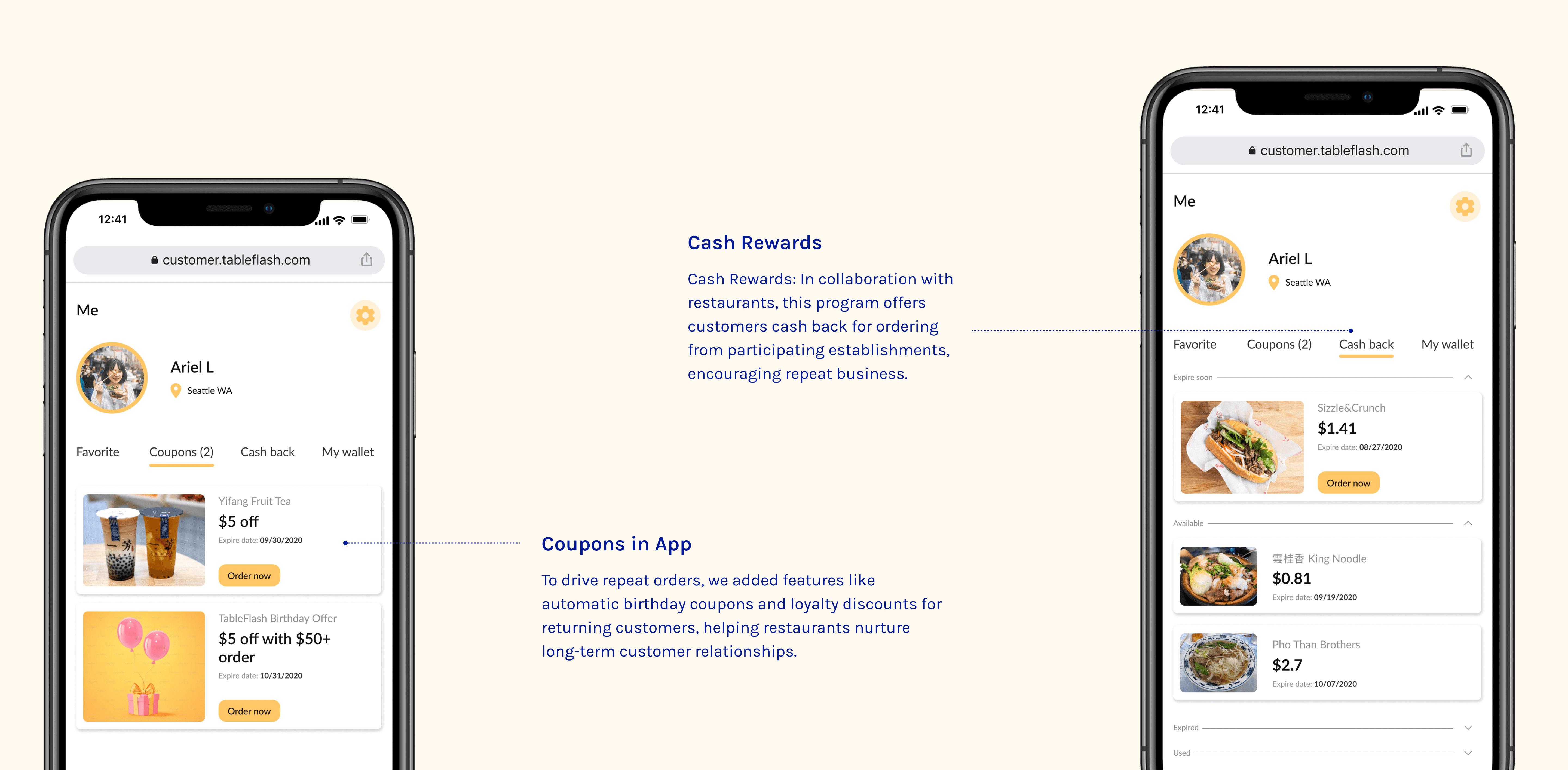
To boost orders and customer engagement, I designed a few marketing and reward features to help restaurants build long-term relationships with customers.
To boost orders and customer engagement, I designed a few marketing and reward features to help restaurants build long-term relationships with customers.
Click to jump sections —
Reflection
Lessons from a founding designer.
Lessons from a founding designer.
This was my first official job after the pandemic. Compared to the AR travel projects and brainstormy “design the future” ideas I worked on in school, this time I truly experienced the practicality of product design and the realities of business.
A lot of things are double-edged swords: What should be prioritized? What can be delayed? How can we make the most of limited resources? Behind these decisions, it’s not just about design.
But because of this, I learned how to:
Collaborate quickly with founders and PMs, and align product and business strategies
Make ideas happen on my own—build an MVP from 0 to 1
Ask good questions with my journalism background
Balance user and business needs with my marketing mindset
This job showed me that I’m not just someone who can design pretty screens,
I’m a designer who can truly create value for a product.
This was my first official job after the pandemic. Compared to the AR travel projects and brainstormy “design the future” ideas I worked on in school, this time I truly experienced the practicality of product design and the realities of business.
A lot of things are double-edged swords: What should be prioritized? What can be delayed? How can we make the most of limited resources? Behind these decisions, it’s not just about design.
But because of this, I learned how to:
Collaborate quickly with founders and PMs, and align product and business strategies
Make ideas happen on my own—build an MVP from 0 to 1
Ask good questions with my journalism background
Balance user and business needs with my marketing mindset
This job showed me that I’m not just someone who can design pretty screens,
I’m a designer who can truly create value for a product.
This was my first official job after the pandemic. Compared to the AR travel projects and brainstormy “design the future” ideas I worked on in school, this time I truly experienced the practicality of product design and the realities of business.
A lot of things are double-edged swords: What should be prioritized? What can be delayed? How can we make the most of limited resources? Behind these decisions, it’s not just about design.
But because of this, I learned how to:
Collaborate quickly with founders and PMs, and align product and business strategies
Make ideas happen on my own—build an MVP from 0 to 1
Ask good questions with my journalism background
Balance user and business needs with my marketing mindset
This job showed me that I’m not just someone who can design pretty screens,
I’m a designer who can truly create value for a product.